Restore the Gloss.
Remove the Imperfections.
What Is Paint Correction?
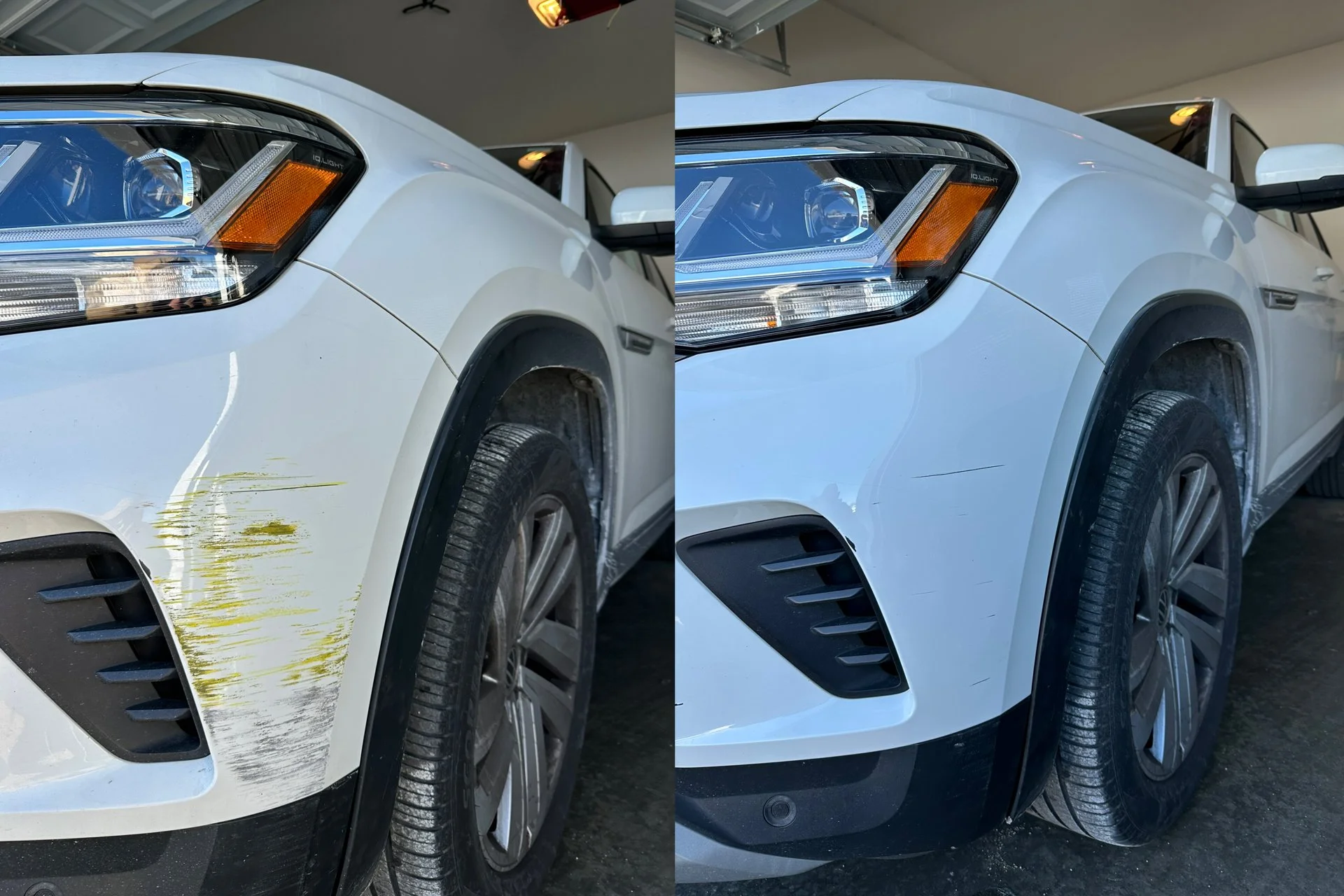
A clean car can still have damaged-looking paint. Paint correction is how we bring the finish back.
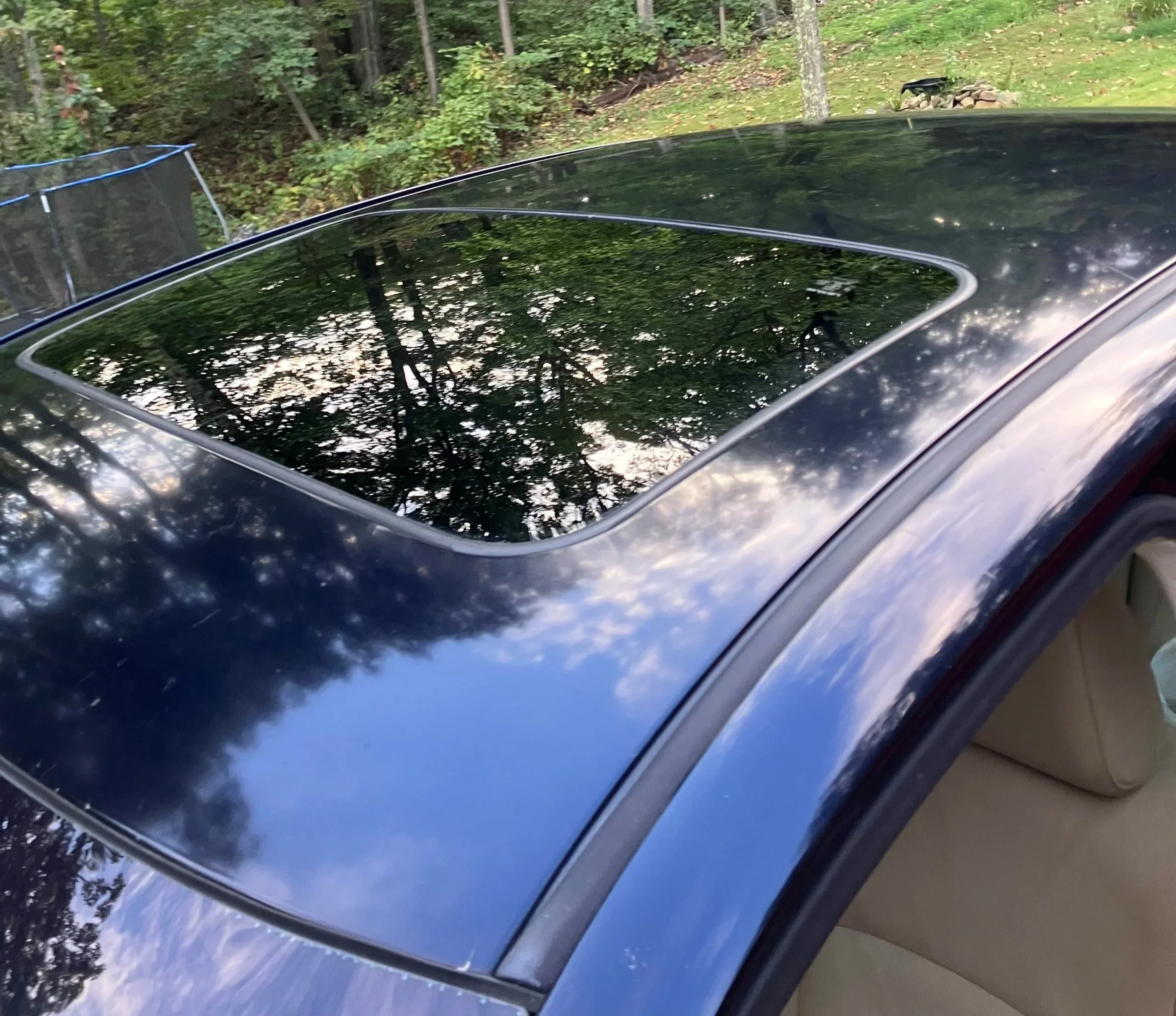
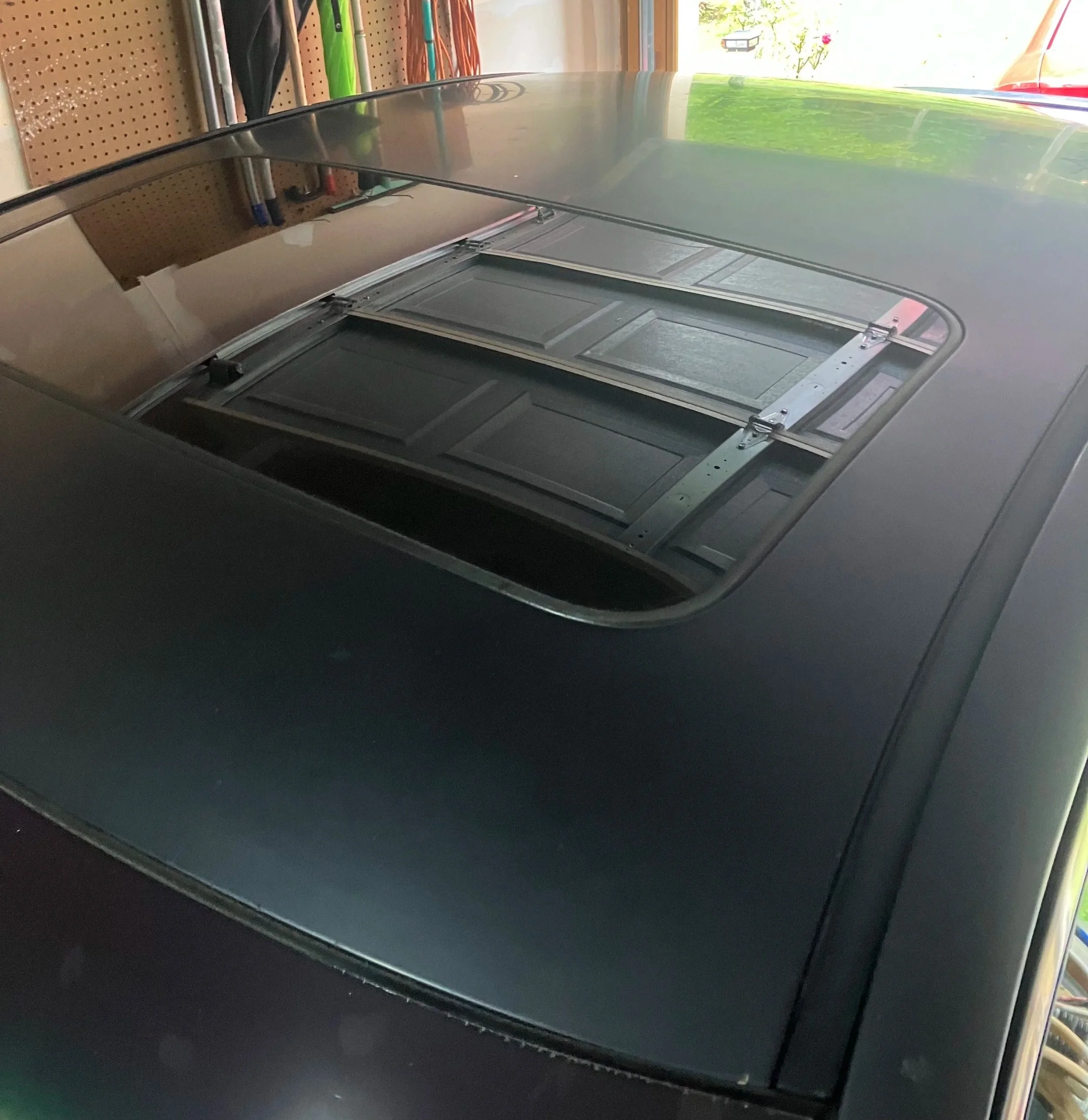
Over time, improper washing, automatic car washes, sun exposure, weather, and everyday use can leave your paint covered in swirl marks, scratches, water spots, haze, oxidation, and other imperfections. These defects interfere with how light reflects from the finish, causing the paint to lose its depth, clarity, and gloss.
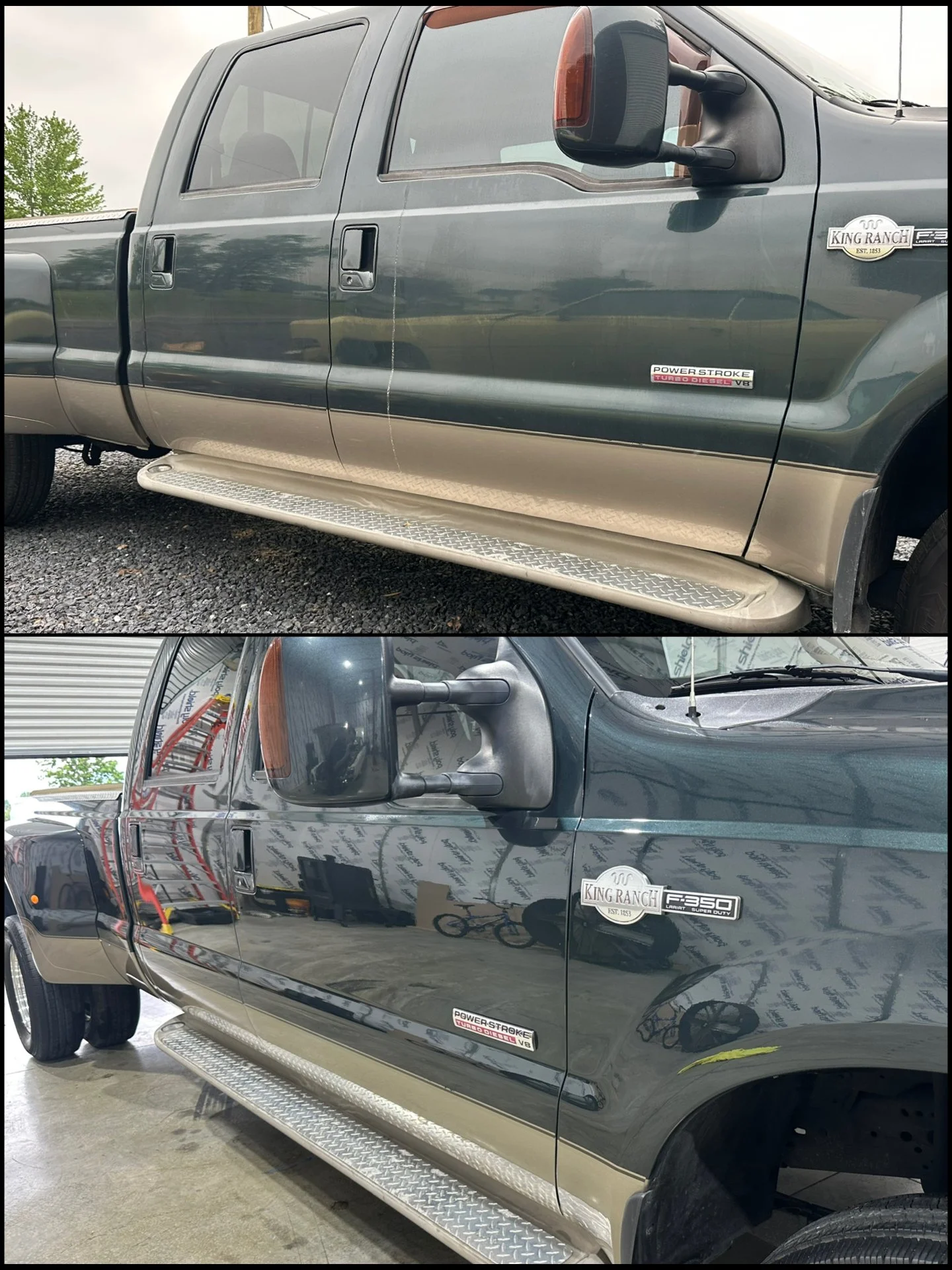
Oxidation is the fading, cloudiness, or dullness that develops as a vehicle's finish deteriorates from prolonged exposure to UV rays and the environment. Depending on its severity and the condition of the clear coat, paint correction can often significantly improve oxidation and restore much of the paint's color, clarity, and gloss.
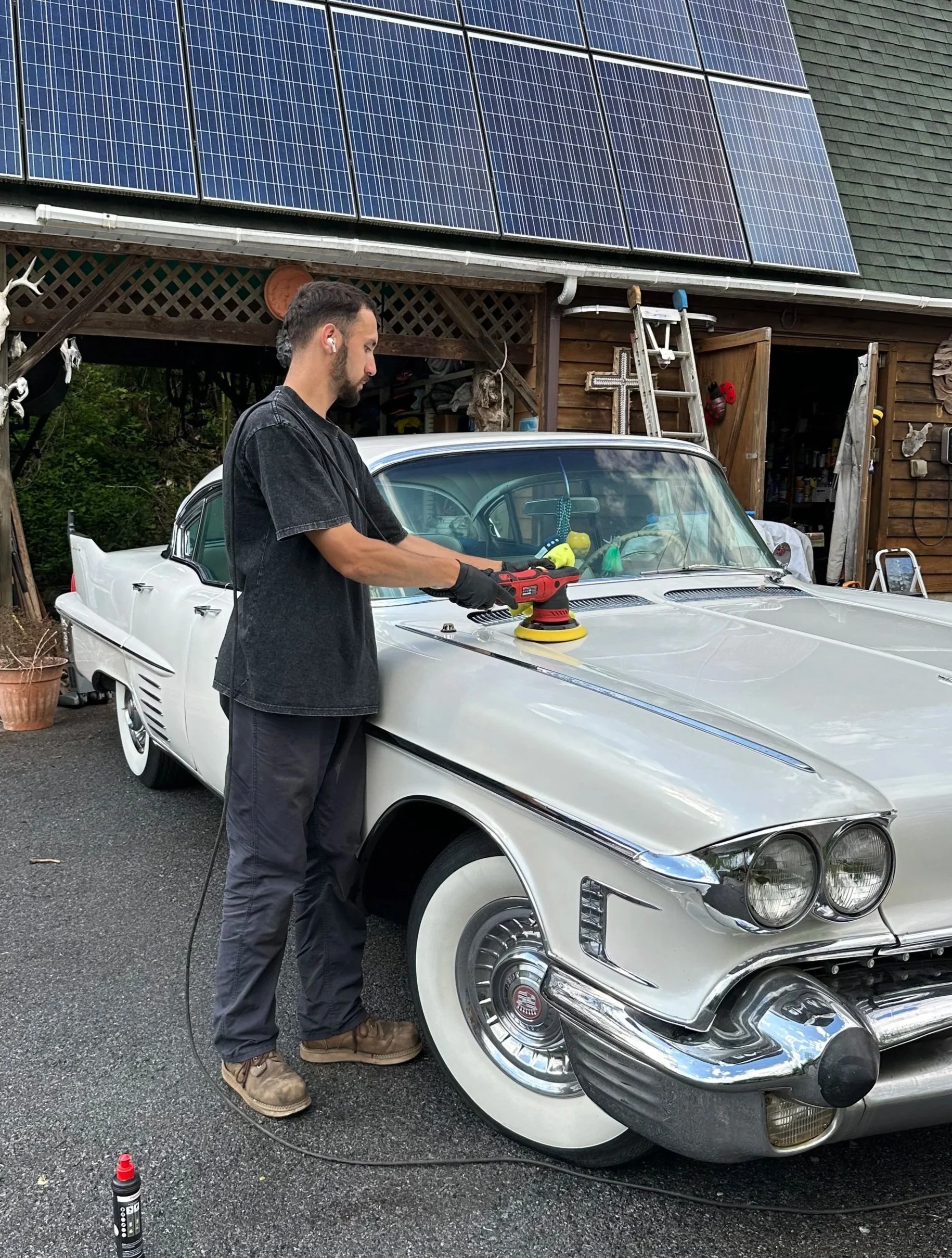
Paint correction goes beyond simply making the vehicle shiny. Using professional machine polishing, compounds, polishes, and carefully selected pad combinations, we remove or significantly reduce defects within the clear coat itself to create a clearer, deeper, more reflective finish.
This isn't wax temporarily hiding scratches or a glaze filling in swirl marks. We're correcting the actual condition of the finish.
One-Step vs. Two-Step Paint Correction
Not every vehicle needs the same level of correction.
The condition of the paint, severity of the defects, and the level of finish you're looking for determine how much correction is appropriate.
One-Step Paint Correction
The sweet spot for most daily drivers.
A one-step correction uses one machine-polishing stage to correct defects while simultaneously refining the finish.
It's ideal for vehicles with light-to-moderate swirl marks, wash marks, haze, minor oxidation, lighter correctable scratches, and loss of gloss.
The goal isn't to chase every imperfection. Instead, we're looking for a major visual transformation—significantly improving gloss, clarity, depth, and reflection while safely removing or reducing the defects that can be addressed with a single polishing stage.
For many daily-driven vehicles, this is all the correction they need.
Think: Restore the finish without chasing perfection.
Two-Step Paint Correction
For paint that needs considerably more correction.
When one polishing stage isn't enough, a two-step correction separates the work into two distinct stages: cutting and refinement.
STEP ONE — CUT
A more aggressive compound and pad combination is used to address
heavier swirl marks, oxidation, scratches, and more significant
correctable defects. The priority during this stage is defect removal.
STEP TWO — REFINE
We then polish the vehicle again using a finer combination. This second
stage refines the finish after the heavier correction work, removing haze
or micro-marring and bringing out greater
clarity, depth, gloss, and reflection.
Because the paint goes through two separate machine-polishing stages, a two-step correction requires considerably more time and labor and allows us to pursue a much higher level of finish.
Think: Correct the defects first. Refine the finish second.
Why Decontamination Comes First
Before paint can be corrected, it needs to be completely clean—not just washed.
Even after a thorough hand wash, contaminants can remain bonded to the paint. This can include embedded iron particles, brake dust, industrial fallout, road contamination, tree sap residue, and other material that normal washing simply cannot remove.
That's why proper paint correction begins with chemical and mechanical decontamination. An iron remover helps dissolve embedded ferrous contamination, while clay decontamination removes bonded material that remains stuck to the surface.
This step is essential before machine polishing. Polishing contaminated paint can interfere with the correction process and risk dragging embedded material across the finish. Decontamination gives us a clean, smooth surface so our pads, compounds, and polishes can work directly against the paint itself.
Proper preparation gives us the foundation needed to safely achieve the clarity, gloss, and level of correction we're after.
You can't properly correct paint that hasn't been properly prepared.
How Much Can We Correct?
Every vehicle's paint is different.
Clear-coat thickness, paint hardness, previous polishing, repainted panels, defect depth, oxidation, age, and overall condition all affect what can safely be achieved.
Some scratches are simply too deep to safely remove. Severe oxidation, peeling clear coat, or clear-coat failure may require repainting rather than polishing.
Our goal isn't to chase every last imperfection at the expense of your paint. Removing defects requires removing a microscopic amount of clear coat, and once that clear coat is gone, it doesn't come back.
That's why we approach every vehicle individually and correct the paint only as aggressively as necessary. If removing a defect would compromise the integrity of the finish, we would rather leave that imperfection than cause permanent damage trying to eliminate it.
WE AREN'T TRYING TO REMOVE THE MOST PAINT.
We're trying to remove the least amount necessary
to achieve the best result.